Advances in Water-Resistant Hearing Aid Coatings
If you’ve lived along the British Columbia coast for any length of

By: admin | August 24, 2026
If you’ve lived along the British Columbia coast for any length of time, you know the rain doesn’t really stop. It just changes intensity. Whether you’re walking the seawall in a light drizzle or caught in a downpour waiting for the ferry, moisture is just part of daily life here.
For hearing aid wearers, that dampness has always meant some worry about what rain or salt air might do to their devices.
That’s changing faster than most people realize. Newer coatings repel moisture, salt and humidity in ways older hearing aids never could. For anyone living somewhere as wet as coastal BC, that’s not a minor upgrade.
It’s the difference between babying your devices and just living your life. The technology is finally catching up to the weather people here deal with every day.
Hearing aids can come into contact with moisture in more ways than people realize. It does not have to be a downpour or an accidental splash. Everyday routines can expose them to enough dampness to affect performance.
Some of the most common moisture sources include:
You know how your glasses can fog up when you come in from the cold? Hearing aids can pick up that same kind of moisture inside. You just do not see it happening, which makes it easy to miss.
You might not notice a problem right away. Later, the sound may seem weaker, distorted or inconsistent as that moisture settles in. Because there was no obvious splash or rain exposure, it can be easy to overlook what caused the change.
Giving devices time to dry after a big temperature shift can help clear that hidden moisture. A recommended drying system can be especially useful during colder months or after spending a long time outdoors. This kind of care deals with moisture that wiping the outside alone cannot reach.
Older hearing aids relied mostly on what you did after taking them out. Drying crystals, silica gel and careful overnight storage were common ways to pull out moisture. Those methods could help, but only after dampness had already reached the device.
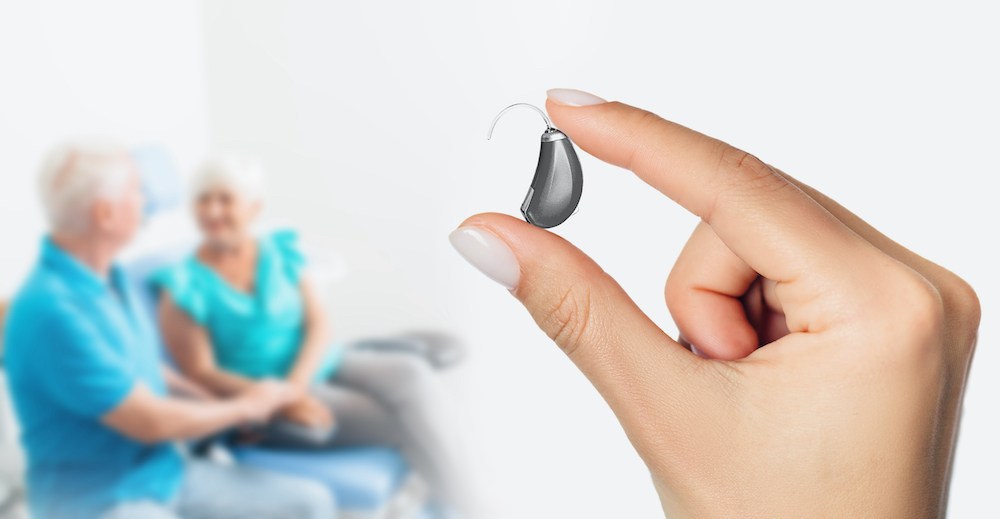
Newer hearing aids include water-resistant protection as part of the device itself. These coatings are designed to reduce how easily sweat and water cling to the surface. That gives the hearing aid some protection while you are actually wearing it.
Drying at night can still be useful, especially after a humid or active day. The difference is that modern protection starts much earlier. Instead of relying only on cleanup afterward, the device has some defence while moisture exposure is happening.
Modern coatings are extremely thin, so you usually cannot see or feel them. They are applied to parts of the hearing aid that may be exposed to sweat, humidity or small droplets. Their surface makes it harder for moisture to settle and spread.
Some coatings use fluoropolymers, which are materials that resist both water and oils. Others use silicone-based compounds because they are flexible and handle moisture well. Nano-coatings create an especially fine layer that can cover very small surfaces.
These coatings can help with moisture, but they do not make hearing aids waterproof. Water can still get in, especially with heavier or repeated exposure. The coating just gives the device a better chance of handling the damp moments that come up during the day.
You may have seen a rating like IP68 listed with a hearing aid and wondered what those numbers actually mean. The first number tells you how well the device is protected from solid particles, including dust. The second number tells you how well it can handle water.
An IP68 rating sits at the high end of that scale. The 6 means the device is dust-tight, while the 8 means it has passed testing for water immersion under specific conditions. Those tests give you a useful way to compare protection between devices.
An IP rating does not mean you can treat a hearing aid as waterproof. Testing happens under controlled conditions, so consistent wear can be different. Still, the rating gives you a much clearer picture of how well the device is built to handle dust and moisture.
Water-resistant coatings can make life easier when damp weather is part of the routine. Along coastal British Columbia, that might mean ocean air, misty walks or a sudden drizzle while you are outside. Better moisture protection can help devices keep performing through those small exposures.
That can mean fewer sudden changes in volume, less static and fewer interruptions during the day. You may also feel less worried about every bit of moisture that comes near your hearing aids. The devices still need care, but you do not have to treat every damp moment like an emergency.
Some coatings also help keep skin oils and small bits of debris from sticking to your hearing aids. That means less buildup around the tiny openings that need to stay clear. It can also make the devices a little easier to keep clean from one day to the next.
Water-resistant does not mean indestructible. Coatings can wear over time as hearing aids rub against skin, get handled throughout the day and are exposed to sweat. Heavy dampness exposure can also be harder on a device than the occasional splash.
Saltwater deserves extra caution because salt can leave residue behind after the water dries. Very heavy sweating or long periods of humidity can also put more stress on the device. Even a well-protected hearing aid can struggle if moisture keeps finding its way in.
Normal wear and tear matters too. A coating that worked well when the hearing aid was new may not offer exactly the same protection years later. Regular cleaning, drying and maintenance still matter even with newer water-resistant designs.
A protective coating can wear gradually, so the changes are not always obvious at first. You may notice something looks or feels different before the hearing aid starts acting up. Small changes in sound can also be an early clue:
A little daily care can help hearing aids handle sweat, humidity and damp conditions more reliably.
Wipe them with a soft, dry cloth after wearing them and keep harsh cleaners or alcohol-based wipes away from the coating. Store them somewhere dry when they are not in use and use a drying system overnight if one is recommended for your devices.
If the same moisture problems keep coming back, home care may not be enough. Sound that stays muffled, buttons that stick, corrosion around metal parts or a musty smell can point to dampness inside the hearing aid.
Visible coating damage is another sign that the device may need more than a quick wipe-down.
Once moisture reaches internal parts, there is only so much you can do at home. Repeated drying may temporarily improve the sound without fixing the underlying problem. A hearing professional can check whether the device needs a deeper cleaning, repair or other service.
Water resistance can sound straightforward until you start looking at ratings, coatings and everyday care. A few direct questions can make it easier to understand what your hearing aids can actually handle. Bring these along the next time you speak with your local hearing professional:
The answers can vary depending on the hearing aid and how you wear it. Knowing what applies to your own devices can help you avoid unnecessary guesswork. It also makes daily care much simpler.
Living somewhere this wet shouldn’t mean constantly worrying about your hearing aids. Newer coatings are finally built for real coastal weather, not just the occasional shower. They handle salt air, humidity and daily rain far better than older devices ever could.
Our team at Beltone Hearing Care can help you find devices that actually hold up to life on the coast. Whether you’re curious what’s changed or ready for an upgrade, we’re happy to answer your questions. Reach out through https://beltonecan.com/contact-us/ whenever you’re ready!
If you’ve lived along the British Columbia coast for any length of
By: admin | August 24, 2026

Warmer weather has a way of changing a lot of things about how your body
By: admin | May 18, 2026

As the days get shorter and the air turns colder, we naturally spend more
By: admin | March 25, 2026