Advances in Water-Resistant Hearing Aid Coatings
If you’ve lived along the British Columbia coast for any length of


By: admin | March 25, 2026
As the days get shorter and the air turns colder, we naturally spend more time inside. Family meals, parties with friends or quiet evenings at home can make it easier to notice when hearing isn’t quite what it used to be.
You might find yourself asking people to repeat things, missing parts of group conversations or losing track when several people are speaking at once.
Winter makes these patterns more noticeable and gives you a chance to see them clearly. With a little more flexibility in your schedule, it is a good time to book a hearing check and understand how you are hearing in different situations.
Checking in now gives you the opportunity to explore solutions if needed and make routine conversations easier. This way, whether you are catching up with family or spending time with friends, you can focus on the interaction instead of straining to hear.
Winter can make shifts in hearing more obvious because the conditions indoors and the seasonal changes in our environment affect both the ears and the way we experience sound.
Cold air and heated indoor spaces dry out the ear canal, which can make wax and minor congestion more noticeable, subtly changing how sounds are perceived. Indoor rooms also tend to have hard surfaces and less ambient background noise, changing the way voices travel.
People naturally spend longer periods inside during the colder months, whether at home, in workplaces or at gatherings, and this concentrated exposure makes even small changes in hearing more apparent.
Seasonal illnesses, colds and sinus changes, which are more common in winter, can also temporarily affect hearing, causing conversations to feel more challenging than usual.
Cold air can affect the ears in a few ways. Reduced blood flow in the ear canal may cause numbness or a tingling sensation, and for hearing aid users, lower temperatures can shorten battery life or impact how the devices work.
Protecting your ears while still being able to hear is important. Lightweight hats or earmuffs can provide warmth without muffling speech or other sounds.
Winter’s dry air can also make the skin inside and around the ear more sensitive, especially if you wear hearing aids. Applying a gentle, fragrance-free moisturizer to the outer ear can help prevent dryness and keep your skin feeling comfortable.
As winter sets in, we spend more time inside, and it can be easier to notice changes in how we hear. You might find yourself missing bits of conversation at family dinners or having trouble following the discussion when the room gets busy.
Specific signs often point to a change in your hearing during these months:
During the colder months, colds and flu can affect more than your nose and throat. Even mild infections can make your ears feel blocked, off or create a sense that sounds aren’t quite right.
You might notice:
Holiday gatherings are full of conversation and laughter, but multiple people talking and background noise can make it harder to follow what’s being said if your hearing isn’t as strong as it used to be.
You can make conversations easier by:
A hearing checkup is a complete look at how your ears are working, guided by a hearing professional. The process starts with a conversation about your overall health and any changes you’ve noticed in your hearing.
You’ll discuss challenges like difficulty following speech in certain situations, ringing in the ears or shifts in how you hear day to day.
The hearing professional will also review your family history and any medical conditions or medications that could affect your hearing. This helps them understand factors that might influence how you hear and guides the next steps in the evaluation.
After that, you’ll take part in a series of hearing assessments tailored to your needs. These tests measure how well you hear different pitches and volumes, and how you process speech in both quiet and busier environments.
The results give the hearing professional information they can use to recommend strategies, support or technology that suits your day-to-day life.
A hearing checkup is more than just a quick listen. Hearing professionals use a few simple tests to understand how your ears are working and to see where you might need support. These tests are easy to follow and give useful insights into how you hear in daily life.
During your visit, you might do tests like:
Pure-tone testing: You listen to a range of tones and volumes through headphones to see which sounds come through clearly and which are harder to hear.
Speech testing: This checks how well you understand words in quiet settings and when there’s some background noise, like a conversation at a dinner table.
Middle ear testing (tympanometry): A quick test that looks at how your middle ear responds to sound and changes in pressure.
Together, these tests help the hearing professional understand how you hear in different situations. The information guides recommendations so any support or adjustments fit the way you live and the environments you spend time in.
After a hearing test, it’s normal to leave with results that might feel technical or unclear. Your hearing professional can explain the findings, but taking the time to ask questions ensures you understand what the numbers and observations actually mean for how you hear day to day.
Asking questions helps you see which situations might be tricky, what changes you might notice in your hearing and what small steps could make a difference right away. It also gives your hearing professional a clearer sense of your priorities and the environments you spend time in, so any recommendations fit your life.
You might try asking:
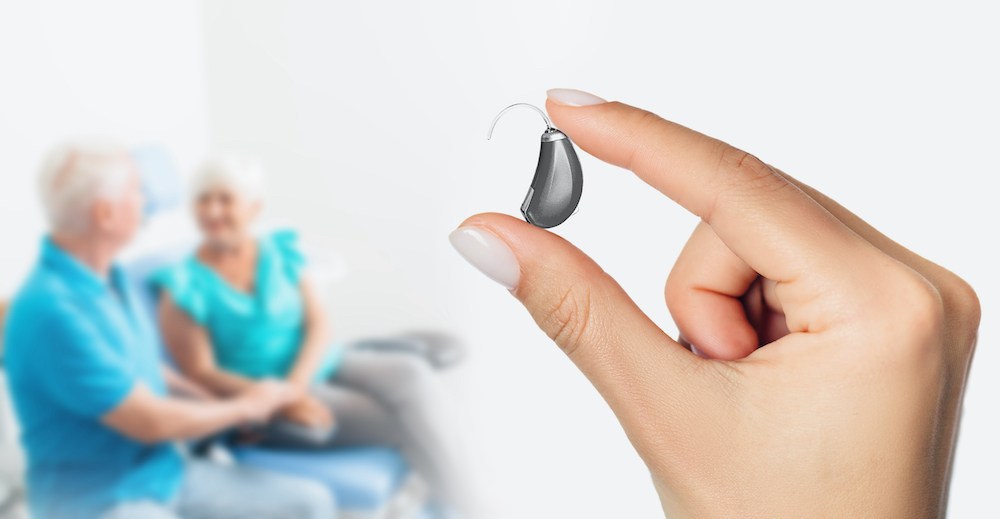
Once your hearing test is finished, your hearing professional will review the results and talk about hearing aids as an option. Hearing aids are devices that make sounds louder or clearer to match your hearing needs.
There are different styles and features, and the professional will help you understand which ones suit the sounds you want to hear and the environments you spend time in.
They will explain how each type of hearing aid works, what to expect from the devices and how they can be adjusted to match your hearing pattern.
You can try different settings in real-life situations and give feedback so the devices fit your routines. This process will educate you on what the hearing aids actually do, how to use them and which options work best for you – and why.
Winter can affect your ears and hearing aids in ways you might not expect. Cold air, dry indoor heating and seasonal illnesses can all change how you hear or how your devices feel. A checkup during the season gives you the chance to notice any changes and make adjustments before social gatherings or the shift into spring.
If you’ve noticed differences in your hearing or want to keep your ears healthy this winter, our team can help. You can contact any of our British Columbia locations to learn more about winter checkups and support with hearing aids or other hearing needs. Taking care of your hearing now makes listening easier and ensures your devices work well in the environments you spend time in.
Schedule an appointment at https://beltonecan.com/contact-us/ and get personalized support for your hearing at home and in your daily life.
If you’ve lived along the British Columbia coast for any length of
By: admin | August 24, 2026

Warmer weather has a way of changing a lot of things about how your body
By: admin | May 18, 2026
As the days get shorter and the air turns colder, we naturally spend more
By: admin | March 25, 2026